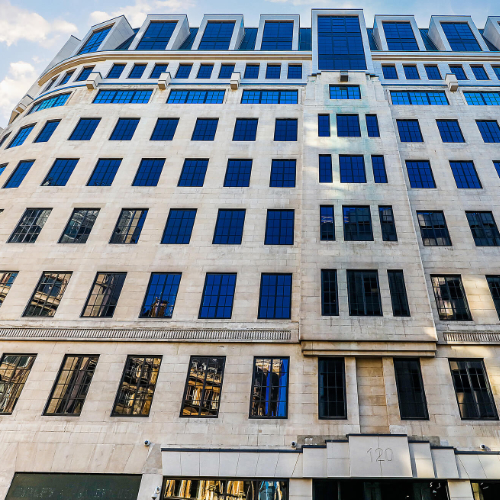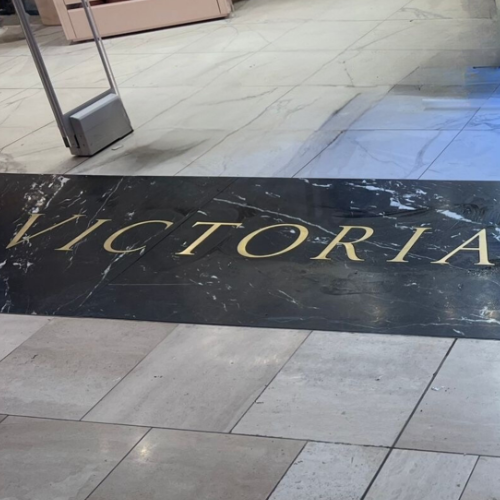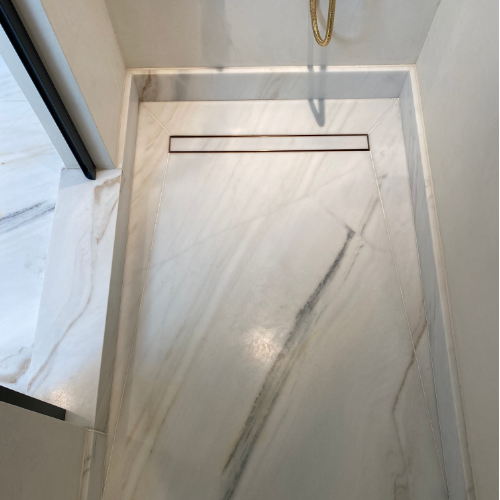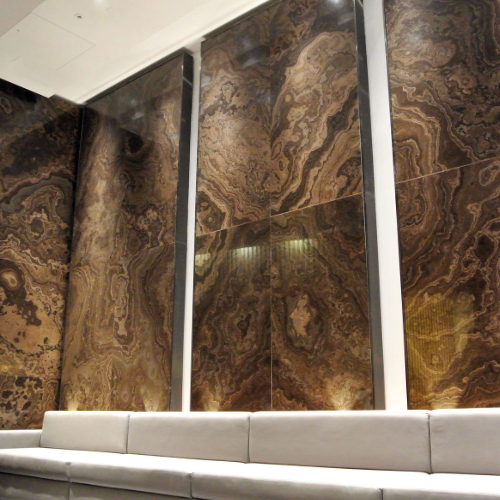
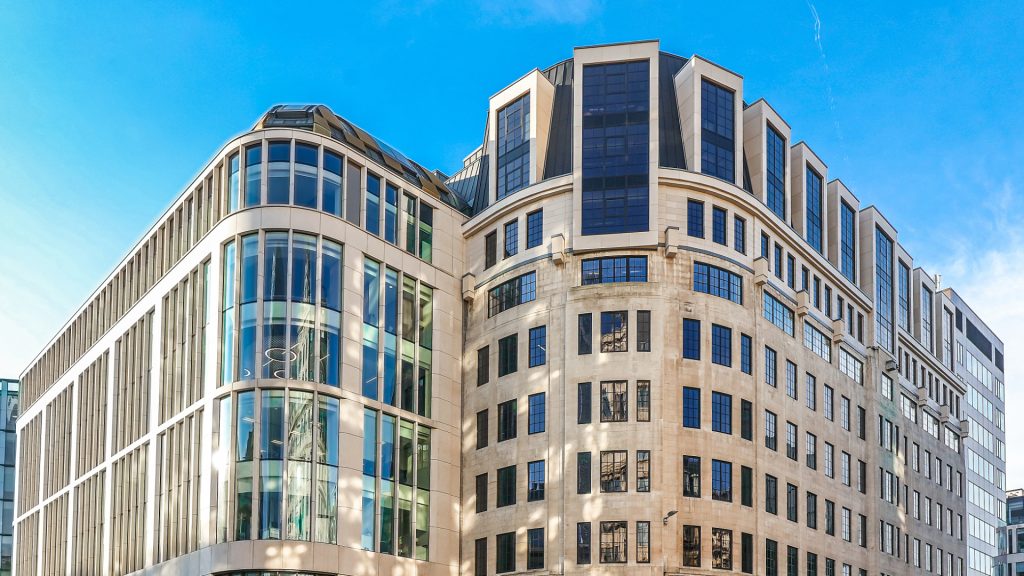
When selecting materials for a façade, the choice between stone cladding vs GRC (Glass Reinforced Concrete) is rarely based on appearance alone. In most cases, it comes down to programme timelines, design flexibility and installation requirements.
Both materials are widely used in modern architecture, but there are key differences between the two that can greatly impact a project’s success.
What is GRC?
GRC (Glass Reinforced Concrete) is a cement-based composite material that is strengthened with glass fibres. It is typically manufactured using moulds, which allows it to achieve complex shapes, decorative detailing and repeating architectural elements.
Because of this, GRC is often specified for façades that require sculptural forms or consistent modular panels across large elevations. However, the mould-based production process also introduces certain limitations that can affect project flexibility and delivery time.
The Challenges of GRC
While GRC performs well on repetitive or highly defined designs, challenges can arise when projects are bespoke, short on time or still evolving during construction.
Longer lead times due to mould production
Each unique panel generally requires its own mould. This adds significant time at the start of the manufacturing process and can extend overall project schedules, particularly where multiple variations are involved.
Limited flexibility during construction
On live construction projects, minor dimensional changes are common. If tolerances shift or adjustments are made on site, GRC panels can be difficult to modify without impacting programme or cost.
Design changes can increase complexity
If the design evolves after production has begun, new moulds may be required. This can introduce additional cost and delay, especially on fast-moving projects.
What is Stone Cladding?
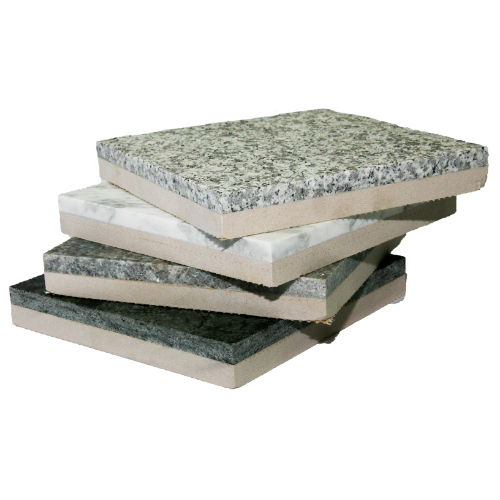
Natural stone cladding offers a different approach to façade design and installation. Rather than relying on moulds, stone panels are cut to size from slabs of natural stone using precise fabrication methods that can be based on accurate site survey dimensions.
As this process is much faster, it means that each panel can be manufactured to match the actual built conditions of the structure, rather than relying solely on initial design drawings. This results in a more adaptable and precise installation process, particularly on complex or evolving projects.
Benefits of Stone Cladding vs GRC
Faster and more efficient production
Because stone cladding does not require moulds, lead times for sourcing natural stone are often much shorter than the process of GRC. Fabrication of stone cladding panels can begin as soon as accurate survey dimensions are available. This helps reduce lead times and supports smoother project delivery.
High dimensional accuracy on site
In reality, buildings rarely match drawings exactly. Small variations during construction are common and stone cladding can be manufactured to suit these real-world conditions, reducing the need for on-site adjustments.
Greater design flexibility
Each stone panel is individually produced, which gives architects more freedom to develop bespoke layouts, unique detailing, and varied finishes without being restricted by repeated mould systems.
Natural material character
Unlike manufactured alternatives, natural stone offers inherent variation in colour, texture, and veining. This creates depth and individuality across a façade, giving each project a distinct visual identity.
Stone Cladding vs GRC: Which is right for your project?
Both systems have strengths, and the right choice depends on project requirements.
GRC is often suitable where:
- repeated modular components are required
- complex sculptural forms are needed
- large decorative cast elements are specified
Stone cladding is often preferred when:
- shorter lead times are important
- accuracy during construction is critical
- design flexibility is required
- a natural material finish is desired
- bespoke detailing is needed across the façade
The decision between stone cladding vs GRC depends on what the project values most. GRC offers advantages in repeat casting and sculptural design, while stone cladding provides speed, flexibility, and accuracy in real construction conditions.
For many modern façade projects, particularly those with evolving site requirements, stone cladding offers a more adaptable and efficient solution.