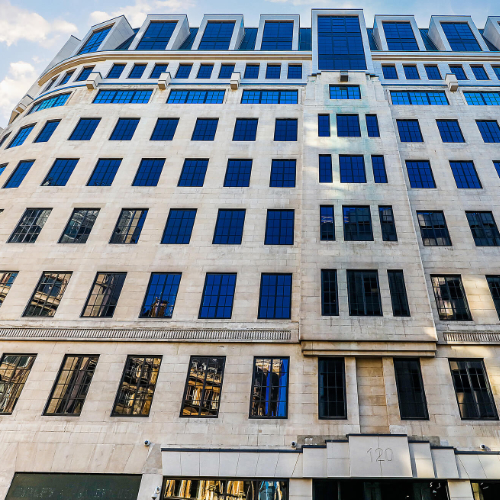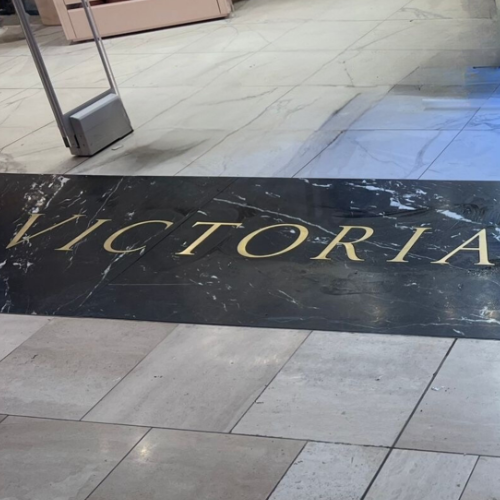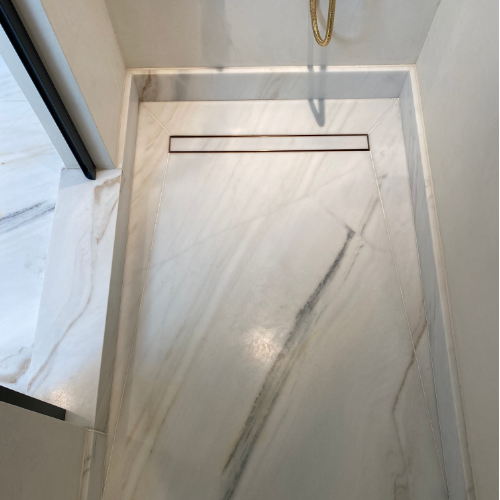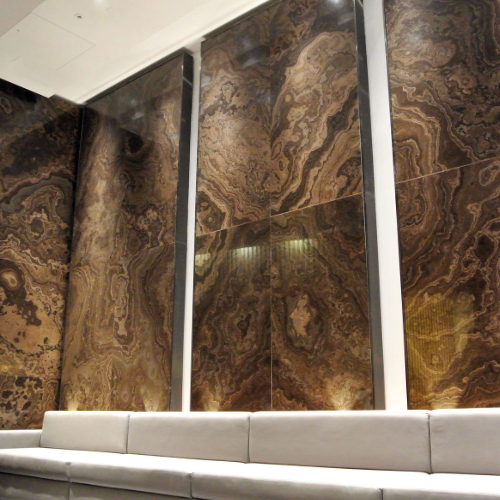
In modern construction, fire performance is a critical consideration, especially for external wall systems. When it comes to stone cladding, achieving compliance with building regulations while maintaining aesthetic and design flexibility is key. One of the most common queries we receive is about the requirements for A2-rated stone cladding, and how to meet them without compromising on design.
What does A2 fire-rating mean?
An A2-s1, d0 fire rating, as defined by EN 13501-1, classifies a material as non-combustible or of limited combustibility. A2 materials will not contribute significantly to a fire and produce very limited smoke (s1) and no flaming droplets (d0).
External wall fire performance requirements vary depending on the building’s location, height and use. To better understand what achieving an A2 rating involves, it’s helpful to look at the underlying fire tests and criteria that make up the EN 13501-1 classification. There are two key components:
- EN ISO 1716 Bomb Calorimeter Test: Each component of a composite panel is tested individually to determine how much energy it would release during complete combustion.
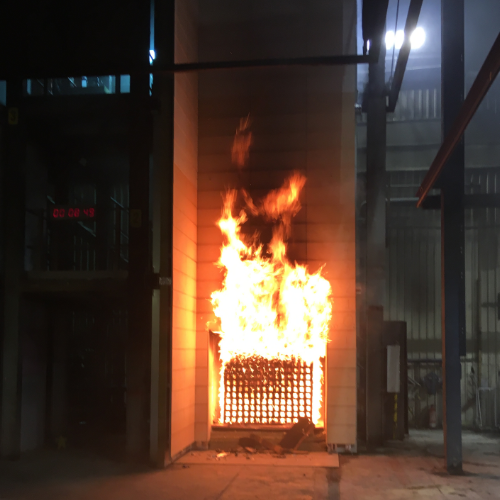
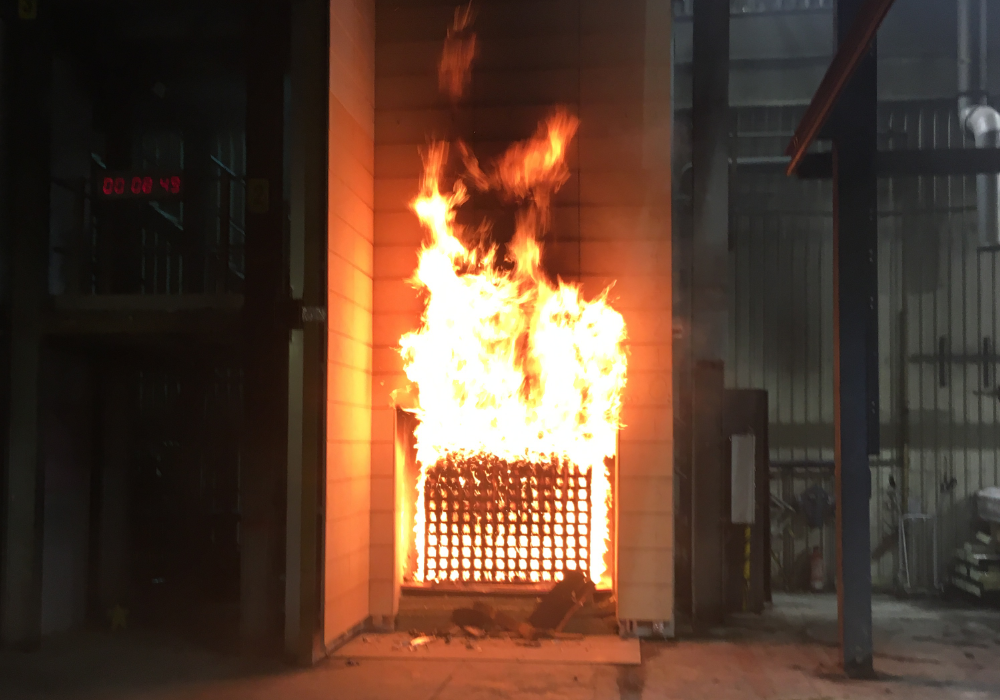
- EN 13823 Single Burning Item (SBI) Test: This test simulates a real-life fire scenario—such as a waste bin catching fire in the corner of a room (approximately 500mm x 1000mm). The exposed face of the material is subjected to flames, and performance is evaluated based on flame spread, smoke production, and flaming droplets.
Together, these tests provide a comprehensive picture of how a material or system behaves in fire conditions. This ensures that only systems with very limited contribution to fire achieve the A2 classification.
How to achieve A2 compliance with stone cladding?
Natural stone itself is inherently non-combustible and generally meets A1 or A2 standards. However, achieving full system compliance depends on the entire cladding system, not just the stone.
1. Stone Panel Composition
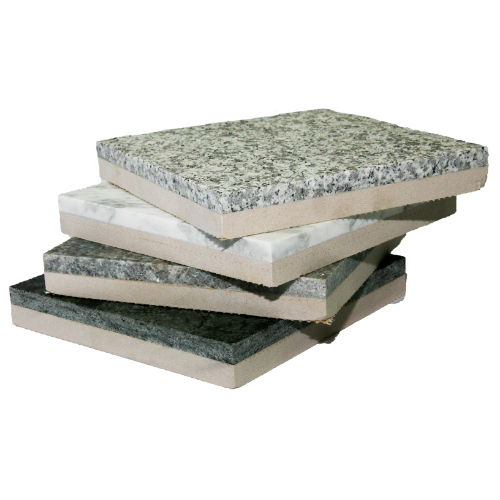
If using lightweight or composite stone panels, the internal core or backing material must also be A2-rated. At Cristofoli, we use a stone panel composition consisting of a thin layer of natural stone bonded and mechanically fixed to an A2-rated inorganic composite board. These backing panels are engineered to meet A2-s1, d0 classification under EN 13501-1 while maintaining structural integrity and lightweight performance.
2. Adhesives and Fixings
Adhesives, bonding agents and fixings should be specified to meet the applicable fire performance requirements for each project. Our specialist epoxy bonding system has been tested to demonstrate compliance with the relevant fire performance standards.
3. Substructure and Support Frame
The subframe, typically constructed from aluminium or stainless steel, must be non-combustible. Likewise, any insulation, fire barriers, or cavity closers behind the cladding must also meet A2 or better classification to ensure full system compliance.
4. System Testing and Certification
Fire performance should be considered at both material and system level. Manufacturers should provide appropriate evidence to demonstrate compliance with the applicable regulations, which may include material classifications, technical assessments, laboratory testing or full-scale system testing where required for the specific building category and application.
A2-rated lightweight stone cladding panels
Our CristoLite lightweight stone panels provide an ideal solution for architects and contractors looking for compliant, high-performance cladding with the natural beauty of stone. These panels are not only compliant with fire regulations, but also reduce weight and simplify installation
We also offer Porcelain cladding panels which have been classified A2 reaction-to-fire. Porcelain is a ceramic-based material fired at extremely high temperatures, making it naturally non-combustible and dimensionally stable. Porcelain cladding is an excellent choice for architects seeking a refined, contemporary aesthetic with minimal maintenance.
Conclusion
Fire performance for stone or porcelain cladding depends on more than the surface material alone. A robust façade solution considers the complete system, including the backing, bonding agents, fixings, substructure and insulation, supported by appropriate testing and certification.
While individual components such as our CristoLite panels and porcelain cladding panels can achieve specific fire performance classifications, compliance must always be considered as part of the complete façade build-up. We work closely with design teams to ensure our lightweight stone solutions are integrated into compliant, fully considered façade systems.
If you’re planning a façade project that must meet A2 fire regulations, get in touch with our technical team. We’ll help you navigate specification requirements and select the right materials without compromising on appearance or performance.